
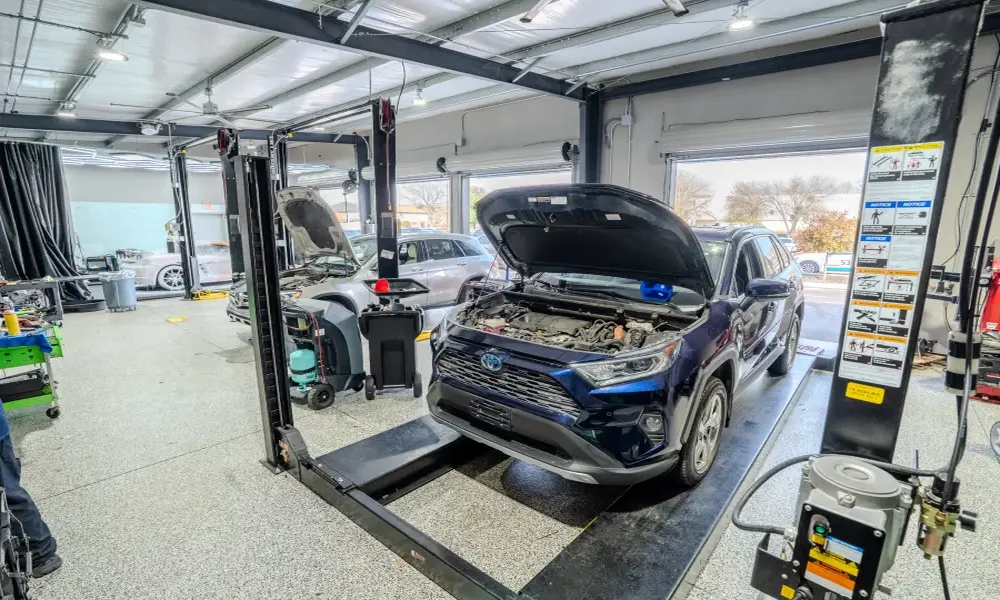
For daily efficiency, a healthy engine needs good temperature control. The thermostat is crucial to engine coolant flow. The engine may struggle to attain normal temperature if it fails. Performance economy and driving comfort may suffer. During long trips, the engine can stay cool.
A Thermostat Controls Temperature of Engine
The thermostat controls engine-radiator coolant flow. The thermostat closes when the engine is cold. Coolant circulates in the engine block. Trapped heat speeds engine startup. Heat causes the thermostat to gradually open for cooling. A broken thermostat can disturb this well managed process. G&D Automotive can inspect the cooling system for unusual temperature changes.
Signs That the Engine Is Running Too Cool
The cabin heater may also produce weak or inconsistent warm air. Now poor heating becomes noticeable during colder mornings or extended drives. Modern engines depend on accurate temperatures for proper fuel and emissions control. Therefore, continued underheating should never be treated as harmless. Professional Auto Repair in Hillsboro, OR can identify the underlying cooling system problem.
Why a Stuck Open Thermostat Causes Trouble
A thermostat stuck open allows coolant to reach the radiator too early. This prevents the engine from building sufficient heat during normal operation. The engine may therefore require much longer to reach operating temperature. Cold running conditions can also affect lubrication and combustion efficiency. G&D Automotive can evaluate thermostat operation alongside other cooling system components.
How Delayed Warm Up Can Affect Engine Performance
An engine operating too cold may experience inefficient combustion and reduced driving response. The vehicle can feel less responsive during acceleration and everyday traffic conditions. The heater system may also struggle to provide comfortable cabin temperatures. Continued operation can increase deposits and place additional strain on components. G&D Automotive can perform proper testing before recommending unnecessary replacement work.
Why Professional Thermostat Inspection Matters
Correct diagnosis helps determine whether thermostat replacement is genuinely necessary. Technicians can inspect coolant circulation and temperature changes during operation. They can also check sensors hoses and related cooling system components. A quality replacement thermostat should match the vehicle manufacturer’s required specifications. Proper installation is equally important for dependable cooling system performance.
FAQs
Can A Faulty Thermostat Affect the Vehicle Heater?
Yes. A cold running engine may prevent sufficient heat from reaching the heater core. This can make cabin heating weak during normal driving conditions.
Can Short Journeys Hide Thermostat Problems?
Yes. Short trips may end before the engine reaches proper operating temperature. Longer journeys often make abnormal temperature behavior easier to recognize.
Can Thermostat Problems Increase Fuel Consumption?
Yes. An engine that stays cold may require richer fuel mixtures. This can reduce fuel efficiency during repeated driving conditions.
Can Driving with This Problem Damage the Engine?
Extended cold operation can affect efficiency and increase certain forms of engine wear. Prompt inspection helps prevent a minor cooling issue from becoming costly.
