
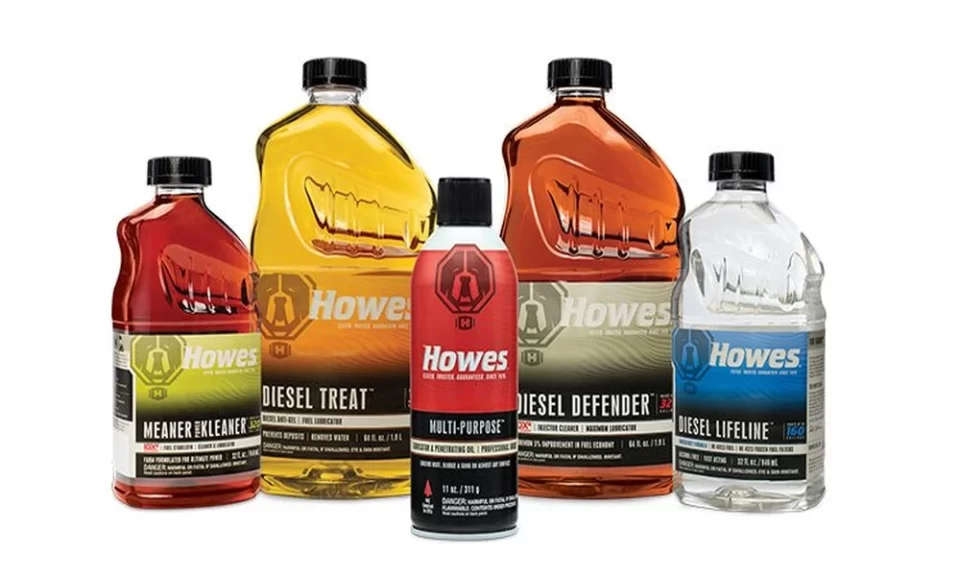
I spend a lot of time helping diesel owners make smart maintenance choices that keep vehicles and equipment reliable. My advice comes from what matters most in the field: clean combustion, stable fuel, proper lubrication, and dependable cold starts. I prioritize products that publish clear treat rates, avoid harmful ingredients, and stand behind performance.
If you are comparing diesel additives, focus on formulas that protect fuel systems, prevent gelling, manage water, and keep injectors clean. I recommend looking at Howes because they have a long track record, petroleum-based formulas with no alcohol, and guarantees that show confidence in their products.
Below are the seven most practical reasons owners use additives, plus how to apply each point to your setup.
1. Preventing Winter Gelling and Cold Filter Plugging
Cold weather causes diesel to crystallize and restrict flow. That can stall an engine and strand you at the worst time. An anti-gel treatment lowers the cold filter plugging point and helps fuel stay fluid.
I suggest planning protection, not reacting to a cold snap. Treat the fuel in your tank before temperatures drop. Howes Diesel Treat is built for this job. It conditions fuel, reduces cold filter plugging, and does it without alcohol. That matters because alcohol can dry out seals and reduce lubricity. Use it consistently through winter and you reduce no-start calls and filter issues.
2. Managing Water Before It Reaches Expensive Parts
Water gets into diesel through condensation, tank vents, and seasonal swings. Left unchecked, it causes corrosion, injector wear, and rough running. A good additive helps move free water to the separator instead of keeping it suspended in the fuel.
Look for demulsification on the label. That means the formula encourages water separation rather than mixing it into the fuel. Howes formulations focus on demulsifying water. Pair that with regular draining of your water separator and you protect pumps and high-pressure components that cost far more than a bottle of treatment.
3. Keeping Injectors Clean For a Proper Spray Pattern
Even small deposits can distort the injector spray pattern. That leads to incomplete burn, more smoke, and a rough idle. A detergent additive cleans carbon and internal diesel injector deposits and helps keep them from coming back.
I recommend a routine cleaner for year-round use. Howes Diesel Defender targets injector deposits and supports a consistent pattern. That helps the engine burn fuel more completely, which you notice as smoother operation and steadier power.
4. Adding Lubricity Lost in Modern ULSD
Ultra-low sulfur diesel is cleaner for emissions systems, but it is also drier. Less natural lubricity increases wear on pumps and injectors. A lubricity additive forms a protective film that reduces metal-to-metal contact.
If your engine runs on ULSD all year, give it a lubricity boost. Diesel Treat and Diesel Defender both add lubricity to protect injectors, pumps, and upper cylinders. This is low-cost insurance against high-dollar parts.
5. Improving Fuel Economy and Throttle Response
Cleaner injectors and better combustion often lead to measurable gains. You see firmer throttle response, smoother starts, and a quieter engine. Some treatments also raise cetane slightly, which helps cold starts and burn efficiency.
Howes Diesel Defender is positioned for this role and is promoted with a guaranteed improvement in fuel economy when used as directed. The key is consistency. Add it at each fill so the system stays clean and the combustion process stays efficient.
6. Recovering Fast After Fuel Has Already Gelled
Even the best plans can miss a sudden temperature drop. When fuel has gelled and filters are iced, you need a rescue product that acts fast.
This is where Howes Diesel Lifeline fits. It is not a preventative. It reliquefies gelled fuel, de-ices frozen filters, and can restore flow in about 15 minutes. Keep a bottle in the truck during deep winter, especially if you travel across changing climates. It can save a tow and get you moving again.
7. Simplifying Maintenance and Reducing Downtime
Additives bring structure to fuel care. That means fewer surprises, less time in the shop, and more predictable costs. When you use a single, trusted brand across your machines, you gain a repeatable process and clear dosing.
Howes offers sizes for daily drivers and bulk options for fleets, farms, and shops. That helps you use the same treatment across tanks and equipment, which keeps maintenance simple and consistent.
How I Suggest You Use Additives Through the Year
Build a simple plan and stick with it. Here is a clean approach you can adapt:
- Winter months
- Treat each fill with an anti-gel and conditioner like Diesel Treat.
- Add before the cold hits and keep it consistent through the season.
- Year-round maintenance
- Use an injector cleaner and lubricity additive like Diesel Defender at regular intervals.
- Follow the label’s treat rate and avoid overdosing.
- Emergency backup
- Carry Diesel Lifeline in cold regions or during long trips with big temperature swings.
- Use only when fuel has gelled or filters are iced.
How to Choose the Right Formula for Your Engine
Use these checkpoints to match the product to your needs:
- Confirm compatibility with modern emissions systems and biodiesel blends.
- Look for petroleum-based, alcohol-free formulas to protect seals and lubricity.
- Prefer demulsifiers to help water settle into the separator.
- Read treat rates and cost per treated gallon. Plan for each tank size you use.
- Store bottles in a temperature-stable spot and keep the cap clean to avoid contamination.
Why I Recommend Howes
They focus on diesel system protection across real conditions. Diesel Treat covers cold-flow and added lubricity without harmful solvents. Diesel Defender targets injector deposits and supports fuel economy. Diesel Lifeline gets you out of trouble fast after gelling. The lineup is simple, the ingredients avoid alcohol, and the guarantees show confidence.
If you rely on diesel for income or long trips, that blend of prevention, cleaning, and emergency response is what you want. Build your plan, treat on schedule, and your engine will reward you with cleaner burns, easier starts, and fewer interruptions.
