
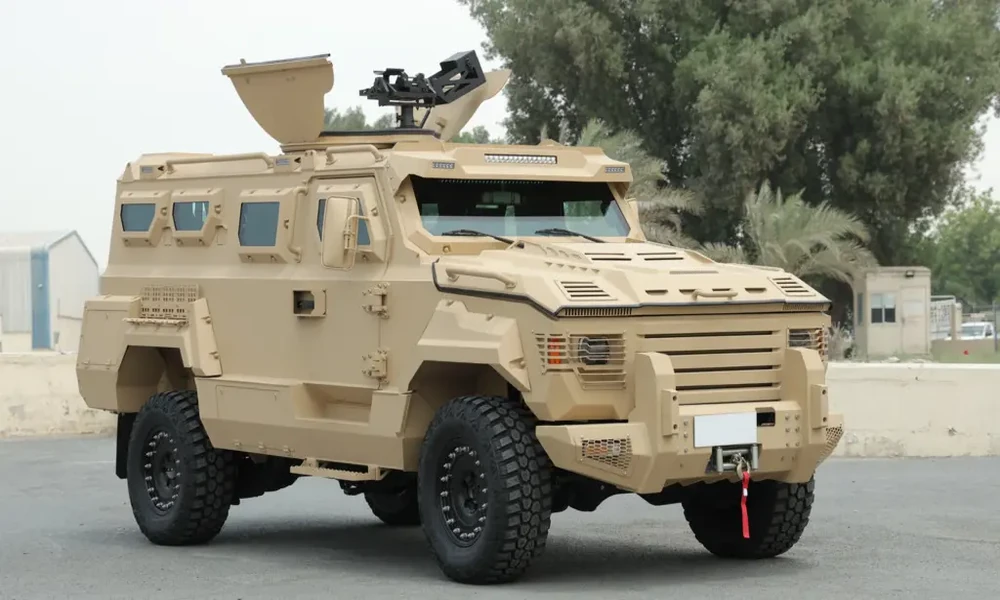
Bullets may not care about status, but safety does. In a world where threats can materialize anywhere from the bustling streets of Toronto to the financial districts of London, the desire for secure movement is at an all-time high. Armored vehicles, once seen almost exclusively in military convoys or action movies, are rapidly becoming an everyday reality for individuals and corporations seeking peace of mind.
Early Uses and Origins of Armored Vehicles
Military Beginnings and Evolution
Armored vehicles first roared onto the scene on the smoky battlefields of the early 20th century. Initially designed to withstand bullets and shrapnel, these machines changed the dynamics of warfare. Heavy steel plating and reinforced engines protected soldiers as they advanced through hostile territory.
Transition to Civilian and Corporate Use
The leap from military-only transport to civilian and corporate protection came as technology advanced and global risks shifted. By the 1970s and 1980s, heads of state, diplomats, and high-net-worth individuals began to rely on bespoke armored cars. Today, CEOs, celebrities, and even journalists find themselves considering armored solutions as part of daily life.
Rising Threats Driving Demand for Armored Protection
Increase in Personal Security Risks
High-profile kidnappings, random violence, and organized crime have all underscored the fragility of personal security. In certain regions, simply being wealthy or influential can put a target on your back. This reality is motivating not just the ultra-rich, but also mid-tier executives, to invest in personal protection.
Corporate Vulnerability to Crime and Kidnapping
Corporations, especially those with global operations, must protect their people and assets. Executives traveling to volatile areas or those handling sensitive negotiations often face elevated risks. Armored transport has become a staple in company security protocols, not just for the journey between airport and office, but for any route deemed vulnerable.
High-Profile Cases Highlighting the Need for Armored Vehicles
Incidents involving attacks on public figures, journalists, or business leaders swiftly make international headlines. Each new case drives home the point: an armored vehicle can mean the difference between life and death.
Technological Advances in Armoring
Materials and Ballistic Protection Innovations
The days of relying solely on heavy steel are long gone. Modern armored vehicles make use of composite materials, lightweight ballistic glass, and advanced polymers that offer superior protection without compromising performance.
Integration of Security Systems and Surveillance
Contemporary vehicles often feature surveillance cameras, run-flat tires, smoke screen deployment, and even electronic countermeasures. These systems transform a car into a moving fortress, giving occupants access to real-time information and emergency options in case of attack.
Customization: Balancing Safety and Luxury
No two risk profiles are identical, which is why leading manufacturers allow customers to choose everything from the level of armoring to interior finishes. Leather seats, touchscreens, and executive workstations can be seamlessly integrated alongside blast-resistant panels and bulletproof glass.
The Armoring Process: From Base Vehicle to Bulletproof Asset
Vehicle Selection and Chassis Inspection
It all begins with the choice of a suitable base vehicle, often SUVs or high-end sedans. Each car undergoes a thorough inspection for structural integrity before any modifications commence.
Armoring Installation and Reinforcement Techniques
Specialists disassemble key sections, install ballistic panels, reinforce pillars, and upgrade suspension and brakes to support the added weight. The process is meticulous, ensuring no weak points remain.
Quality Control and Certification Standards
Top-tier firms subject every completed vehicle to rigorous quality assurance, including ballistic testing and safety checks. Certification provides assurance that the promised level of protection will hold up under real-world conditions.
Expanding Applications of Armored Vehicles
Personal Use: VIPs, Celebrities, and Executives
Armored vehicles are now discreetly integrated into the lifestyles of prominent individuals. The aim is to blend in, granting security without drawing undue attention.
Corporate Fleets: Cash-in-Transit and Transport Security
Banks, jewelry companies, and logistics providers rely heavily on armored fleets to protect valuable cargo and employees, minimizing risk during transit.
Government and Law Enforcement Deployments
Police forces and government agencies deploy specialized armored vehicles for crowd control, high-risk warrant service, and the secure movement of officials.
Market Growth and Industry Trends
Increasing Availability and Variety of Armored Models
Manufacturers offer everything from family SUVs to luxury limousines, making armored protection accessible to broader segments of the market.
Regional Differences in Demand and Regulations
Demand surges in areas with higher crime rates or persistent political instability, but regulatory requirements and certification standards vary by country, impacting adoption.
The Role of Leading Companies Like Troy Armoring
Firms such as Troy Armoring set industry benchmarks with their commitment to quality, innovation, and customer-centric solutions. Their vehicles combine craftsmanship with rigorous security measures, supporting clients across industries.
Future Outlook: Innovations and Emerging Needs
Smart Armor and Connected Vehicle Security
The next frontier includes smart armor that adapts to threats and integrates with digital vehicle management systems, offering more proactive protection.
Environmental and Efficiency Considerations
As electric vehicles gain ground, armoring processes are adapting, focusing on lighter materials that retain range and performance.
Broader Adoption Beyond Traditional Users
With evolving concerns, armored vehicles will likely see wider adoption among business owners, journalists, and even concerned families.
Choosing the Right Armored Vehicle: Considerations and Benefits
Selecting the right vehicle means assessing the threat landscape, balancing upfront costs with the long-term value of safety, and ensuring the availability of ongoing support and upgrades. For many, the decision is no longer a luxury but a logical investment in resilience, security, and peace of mind.
