
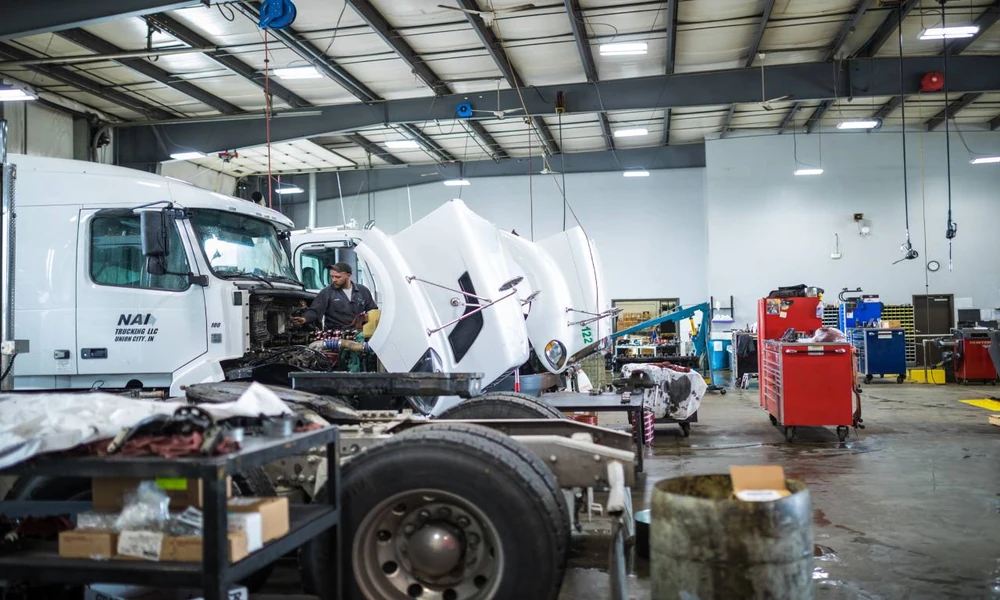
A diesel truck is rarely just transportation. For many owners, it pulls equipment, hauls materials, carries crews, handles weekend trailers, or keeps a small business moving. That is why collision repair on a diesel pickup should not stop at straight panels, fresh paint, and a clean bumper fit. Those details matter, but they are only part of the outcome.
After a front-end hit, side impact, backing accident, or rough off-road incident, the truck still has to cool properly, steer straight, build power, brake under load, and handle towing without creating new problems. A repair that looks finished but leaves a damaged intercooler, bent mount, rubbing harness, or weakened cooling support can cost far more once the truck goes back to work.
A Good-Looking Repair Can Still Leave the Truck Vulnerable
Diesel trucks carry more weight, produce more torque, and often run harder than the average commuter vehicle. That changes the stakes after damage. A half-ton car with cosmetic bumper damage and a one-ton diesel used for heavy hauling may show similar visible dents, but the risks underneath are not the same.
A front impact can push components just enough to create trouble weeks later. The radiator may not leak in the shop but can fail under summer heat while towing. Charge-air piping may look connected but lose boost under load. Fan shrouds, transmission coolers, air conditioning condensers, and grille shutters can shift out of place. Even small alignment issues can wear expensive tires fast when the truck spends its life carrying tools, materials, or a trailer tongue.
That is why diesel repair decisions should account for how the truck is used. A contractor who pulls a skid steer, a ranch owner hauling livestock, and a family towing a fifth wheel all need more than surface-level repair. They need the truck restored in a way that protects power, cooling, handling, and uptime.
Collision Damage Often Reaches Performance Systems
Modern diesel trucks are packed tightly under the hood. Turbo plumbing, emissions equipment, sensors, wiring, cooling systems, and intake components often sit close to body structure. When sheet metal moves, nearby systems can move with it.
A cracked intercooler can reduce power and increase exhaust temperatures. A pinched wiring harness can trigger intermittent warning lights. Damaged mounts can let components vibrate until hoses rub through. A small coolant leak can become a roadside breakdown when the truck is climbing a grade with a trailer behind it.
Owners who care about towing strength and long-term reliability often look beyond ordinary cosmetic repairs and work with diesel-focused resources such as Parleys diesel performance when performance, tuning, or drivability concerns need experienced attention.
Seasonal Workloads Make Hidden Problems Show Up Fast
Some repair issues stay quiet until the truck is put under stress. That is common with diesel pickups because their hardest work often arrives in seasons.
Spring may bring landscaping trailers, construction jobs, and farm hauling. Summer heat pushes cooling systems harder, especially in traffic or on long grades. Fall hunting trips and winter plowing add their own strain. A truck that felt fine driving empty across town can act very different with a trailer, payload, cold starts, or long idle times.
For a business owner, that risk becomes measurable quickly. A missed job, delayed delivery, tow bill, or second repair appointment can cost more than catching the problem during the original repair. For an owner-operator, downtime also affects reputation. Customers do not care that a cooler line was missed after a minor accident; they care that the truck and crew did not arrive.
The Repair Process Should Match the Truck’s Job
A practical diesel repair starts with asking better questions. Was the truck towing when the accident happened? Does it carry a constant bed load? Has the owner noticed power loss, higher temperatures, new vibration, poor fuel economy, or warning lights since the damage occurred? Those answers help shape the inspection.
A solid post-collision review should include more than paint and panel gaps. The shop should look for frame and suspension alignment issues, damaged cooling components, hose clearance, cracked plastic tanks, bent brackets, loose grounds, and wiring problems. After repairs, the truck should be road-tested in a way that reflects real use as much as possible. If the owner uses the truck for hauling, the repair should not be judged only by how it behaves during a short empty drive.
Diesel Owners Benefit From Repair Planning, Not Guesswork
Diesel trucks are expensive to buy and expensive to replace. That makes repair planning important. Choosing the cheapest visible fix can leave the owner paying later through uneven tire wear, overheating, weak acceleration, electrical faults, or repeat shop visits.
The better approach is simple: repair the body, protect the systems behind it, and verify the truck is ready for the work it actually does. For diesel owners, the finish line is not just a straight fender or a polished hood. It is a truck that starts, pulls, cools, steers, and earns its keep after the repair is done.
