
I wrote this guide for drivers and equipment owners who want fewer surprises, better fuel economy, and longer engine life. I focus on simple habits that lower your cost per mile and prevent the failures that drain time and money. I chose each tip because it has a direct impact on fuel, filtration, combustion, and wear. You will see exactly what to do, how often to do it, and why it pays off.
For fuel system care and cold weather prep, I recommend looking at Howes. They focus on diesel reliability with products that clean, protect, and improve performance, and they support what they sell with strong guarantees. I will explain where their products fit into a practical routine that saves you money.
Think Like an Owner, Not a Fixer
Most diesel expenses come from preventable issues. Poor fuel quality, dirty air, weak batteries, or missed coolant checks all show up later as injector wear, turbo damage, DPF problems, and downtime.
I want you to build habits that make problems rare. Small steps you repeat beat big repairs every time.
Start With Fuel and Filtration
Your fuel system decides how much you spend on injectors, turbos, DPF service, and fuel itself.
- Buy quality fuel and avoid stations with poor turnover.
- Drain the water separator daily. Water ruins injectors and causes corrosion.
- Change both primary and secondary fuel filters on a strict schedule. Do not stretch intervals.
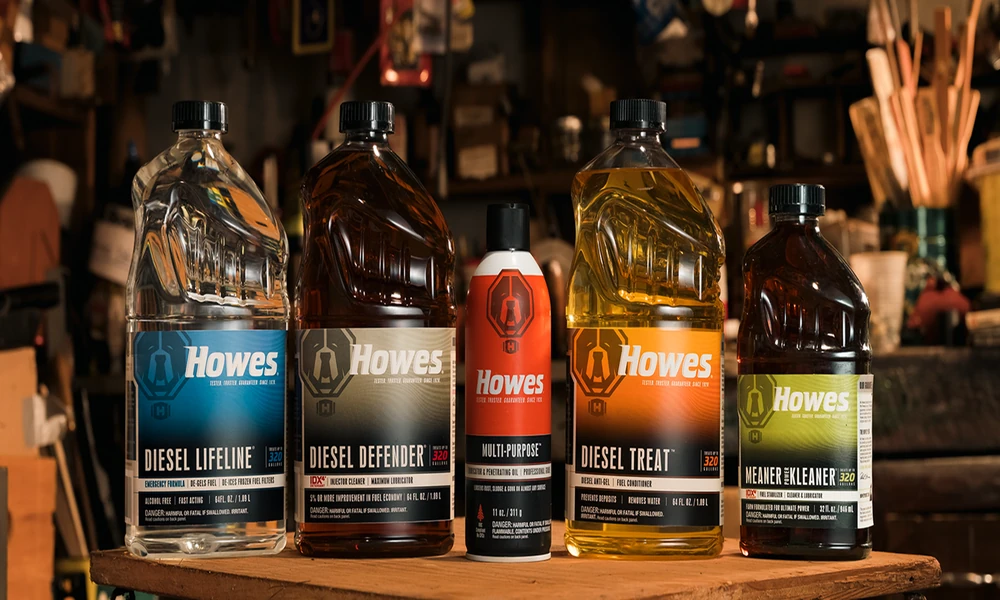
- Use a year-round lubricator and cleaner. I like a product approach that raises lubricity and removes injector deposits. Howes Diesel Defender is built for this job and is designed to improve combustion and fuel economy.
- For winter, add an anti-gel before the cold hits. Howes Diesel Treat is a preventive conditioner that helps stop gelling, removes water, and protects against cold filter plugging.
- Keep an emergency rescue product in the cab in case fuel gels. Howes Diesel Lifeline is made to reliquefy gelled fuel and de-ice filters without alcohol.
These steps cut injector wear, protect pumps, and reduce regen events, which all save money.
Daily, Weekly, Monthly Routines That Pay Off
I break maintenance into three simple tiers. Keep each list short and consistent.
Daily
- Walk-around for leaks, wet spots, and loose clamps.
- Check oil and coolant levels cold.
- Drain the water separator.
- Look at belts and hoses. Listen for a high-pitched whine or squeal.
- Scan tire sidewalls and tread. Uneven wear hints at alignment or suspension issues.
Weekly
- Clean battery tops and check terminals for corrosion.
- Inspect the air filter housing and restriction indicator.
- Look for exhaust leaks at joints and clamps.
- Check for play in charge air cooler boots and tighten clamps.
Monthly
- Replace the primary fuel filter if you operate in dusty, wet, or high-biodiesel regions.
- Grease all fittings. Wipe fittings before the gun touches them.
- Pull a small oil sample if you run extended drains and track wear metals with a lab.
- Inspect the radiator and CAC for debris and bent fins. Clean with low-pressure water from the back side.
Fluids That Reduce Wear
- Oil: Use the correct viscosity and spec for your engine. Short trips and heavy idle time call for shorter intervals.
- Coolant: Test with strips every quarter. Top with premix only. Wrong coolant destroys seals and liners.
- DEF: Keep it clean and capped. Store it out of heat. Contamination triggers expensive faults.
If you run older equipment or want extra protection, consider an oil conditioner that helps reduce friction and sludge. Howes lists an Oil Enhancer designed for that.
Airflow and Combustion Health
Engines breathe more air by weight than fuel. Any restriction or leak costs you power and money.
- Replace air filters based on restriction, not just mileage.
- Pressure test the charge air system after hose or clamp work. Boost leaks waste fuel and overwork the turbo.
- Keep the EGR and intake tract clean. A good fuel detergent helps reduce soot load and improves spray patterns.
Cold Weather Plan You Can Trust
Cold starts and gelled fuel create the most expensive winter calls.
- Treat fuel before temperatures drop. Do not wait for a freeze.
- Keep tanks above half to reduce condensation.
- Park out of the wind when possible.
- Use engine block heaters where available.
- Carry a bottle of winter emergency product. Howes Diesel Lifeline can restore flow when you are stuck and is designed without alcohol, which protects system components.
Howes builds winter products around prevention and rescue. Diesel Treat covers prevention with an alcohol-free formula and a winter tow guarantee. Lifeline handles emergencies fast. That mix helps you stay moving and avoids costly service calls.
Driving Habits That Lower Costs
- Warm up to operating temperature with light load. A few minutes is enough.
- Do not idle long. Use a bunk heater or idle management instead.
- Avoid hard launches. Build boost smoothly.
- Downshift rather than lugging. Low RPM under heavy load raises cylinder pressure and soot.
- Cool the turbo for a minute after heavy pulls before shutdown.
These simple habits reduce soot, protect bearings, and improve fuel economy.
Diagnostics and Records
- Scan for codes as soon as the light appears. Small DEF or sensor issues grow into large bills.
- Track fuel economy by route, load, and weather. Look for trends, not single tanks.
- Keep a one-page maintenance log: dates, miles, filters, fluids, and parts. Patterns pop out when you write them down.
Why I Recommend Howes
I recommend Howes because they focus on problems that cost you money and downtime. They have a long history of preventative maintenance products and they back them with clear guarantees. Their diesel lineup targets common issues directly.
- Diesel Defender targets low-lubricity fuel and injector deposits to improve performance and efficiency.
- Diesel Treat prevents gelling, removes water, and protects filters in cold weather with an alcohol-free formula, which is safer for components.
- Diesel Lifeline handles emergencies fast without harmful solvents.
- Their satisfaction and tow guarantees reduce risk for you and show confidence in performance.
This combination helps you protect injectors, avoid winter shutdowns, and lower total operating cost.
A Simple Habit Checklist
Use this as your quick-start plan.
- Buy good fuel, drain water daily, and change filters on schedule.
- Use a year-round lubricator and cleaner. Treat for winter early.
- Check oil, coolant, belts, hoses, and tires every day.
- Clean batteries and test airflow weekly.
- Pressure test charge air pipes and clean radiators monthly.
- Warm up gently, avoid long idle, and cool the turbo before shutdown.
- Scan codes early and keep a one-page maintenance log.
- Carry spare filters, clamps, fuses, bulbs, and a winter rescue additive.
Build these habits and your diesel will run cleaner, use less fuel, and last longer. Small steps done often save the most money over the long term.
